seismic wire rope, often referred to as geophysical wireline, is an essential component in the field of earthquake monitoring. This specialized wire rope is used in seismic surveys to detect, analyze, and monitor seismic activity in the Earth’s crust. Its unique construction and properties make it an invaluable tool for researchers, engineers, and seismologists working to understand earthquakes and potentially reduce their impact on society.
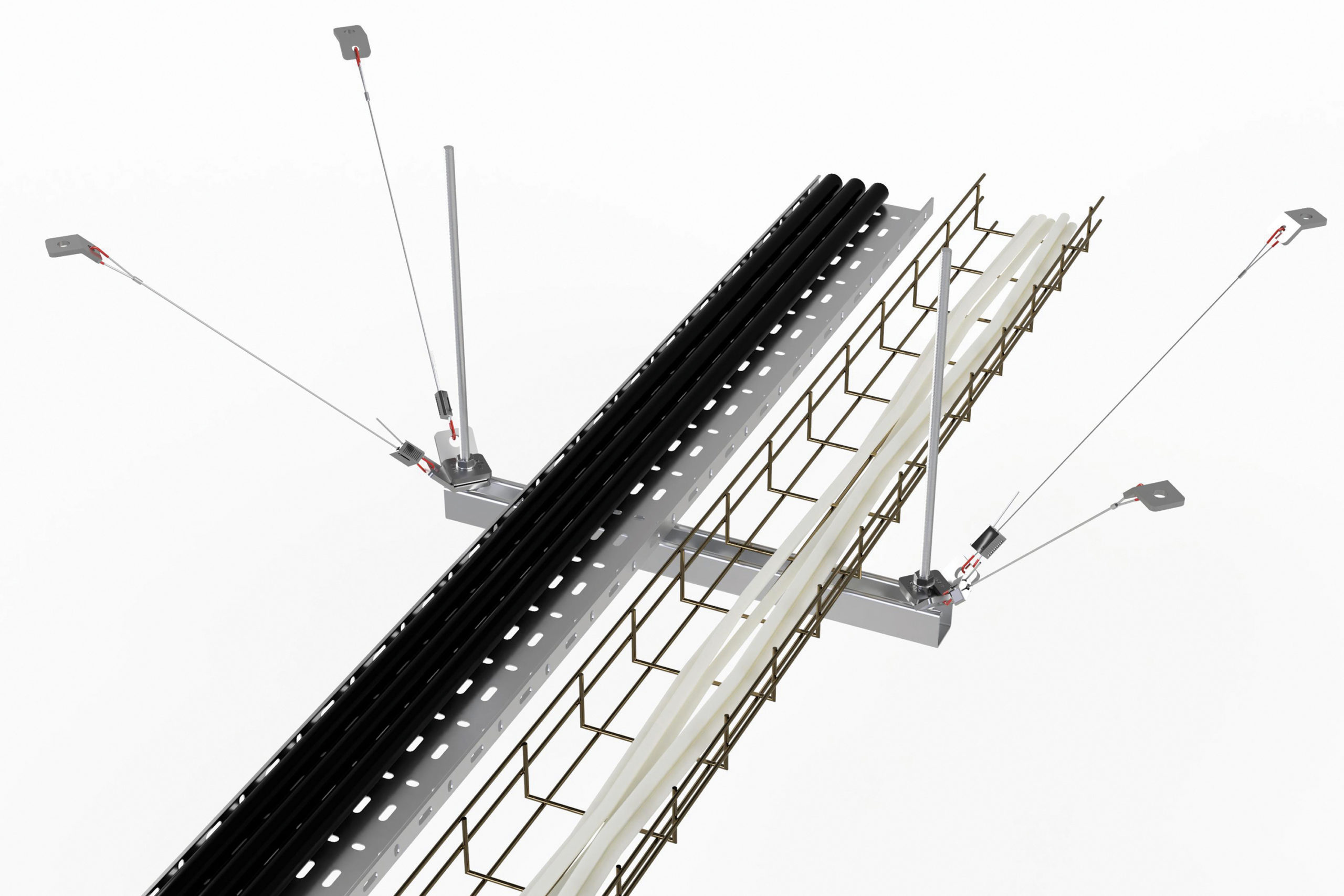
seismic wire rope is composed of multiple strands of high-strength steel wires twisted together to form a flexible and durable cable. The wire rope’s design is crucial for withstanding the challenging conditions found deep beneath the Earth’s surface, where seismic surveys are conducted. The high tensile strength of the steel wires allows the rope to withstand the immense pressure and stress encountered during these operations, ensuring reliable and accurate data collection.
One of the key features of seismic wire rope is its ability to transmit acoustic signals with minimal loss of signal strength. These signals are generated by seismic sources, such as explosives or mechanical devices, and travel through the Earth’s crust, reflecting off different geological formations before being detected by sensors at the surface. The wire rope acts as a conduit, efficiently transmitting these signals to the surface for analysis.
In addition to transmitting acoustic signals, seismic wire rope is also used to lower and raise geophysical instruments, such as seismometers, downhole cameras, and sensors, into boreholes drilled into the Earth’s crust. These instruments are essential for measuring seismic wave velocities, detecting geological structures, and monitoring seismic events in real-time. The wire rope’s flexibility and strength allow for precise positioning and control of these instruments, ensuring accurate data collection and analysis.
seismic wire rope is available in various sizes and configurations to meet the specific requirements of different seismic surveys. Thicker ropes with larger diameters are used for deep boreholes and high-pressure environments, while thinner ropes are employed in shallow boreholes and less demanding conditions. The design and selection of the wire rope are critical factors in ensuring the success of a seismic survey, as any failure or malfunction could result in inaccurate or incomplete data.
The durability and longevity of seismic wire rope are essential considerations, given the harsh conditions in which it operates. The wire rope must withstand extreme temperatures, high pressures, and corrosive substances found deep underground without compromising its structural integrity. Special coatings and treatments are applied to the steel wires to enhance their resistance to environmental factors and extend their lifespan, ensuring reliable performance throughout the duration of a seismic survey.
Seismic wire rope plays a vital role in earthquake monitoring and research, providing valuable insights into the Earth’s structure, seismic activity, and potential risks associated with earthquakes. By analyzing the data collected from seismic surveys, researchers can better understand the mechanisms behind earthquakes, predict their occurrence with greater accuracy, and develop strategies to mitigate their impact on vulnerable populations and infrastructure.
In conclusion, seismic wire rope is the backbone of earthquake monitoring and research, enabling scientists and engineers to study seismic activity with precision and reliability. Its unique properties and design make it an indispensable tool in the field of geophysics, contributing to our understanding of earthquakes and guiding efforts to improve seismic hazard assessment and preparedness. As technology continues to advance, seismic wire rope will remain a critical component in the ongoing quest to unravel the mysteries of the Earth’s dynamic and unpredictable forces.